







Search Results for: clumpy grounds
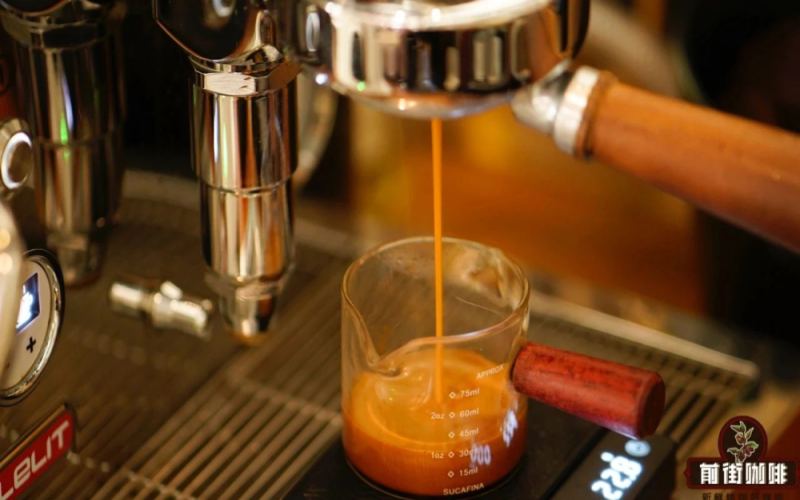
Coffee crema | What is the composition of crema in espresso? What should you do if there is no crema or the crema is clumpy when extracting espresso?
What is espresso? Espresso is a very, very small cup of coffee, about two or three sips and it's gone. Its flavor is extremely intense, and many people find it hard to accept. The small cup size and intense flavor are the reasons espresso has a very small audience in China, but latte made with milk and Americano made with water [more…]
Espresso Extraction Troubleshooting: Causes and Solutions for Soggy Loose Pucks, Clumpy Crema, and Tiger Striping
When pulling espresso shots, have you ever encountered water pooling in the portafilter basket, a loose puck that won't hold its shape, or crema that clumps up quickly with tiger stripes appearing on the surface? Each of these phenomena actually has its own underlying cause. This article continues Front Street's series on common espresso extraction issues, breaking down key variables one by one—dose, grind size, coffee bean degassing, and fines distribution. From judging extraction evenness by puck condition, to understanding the relationship between crema clumping and coffee bean freshness, to clarifying whether tiger stripes really mean over-extraction, this guide helps you troubleshoot more accurately and adjust your parameters, making every espresso shot more stable and controllable. [more…]
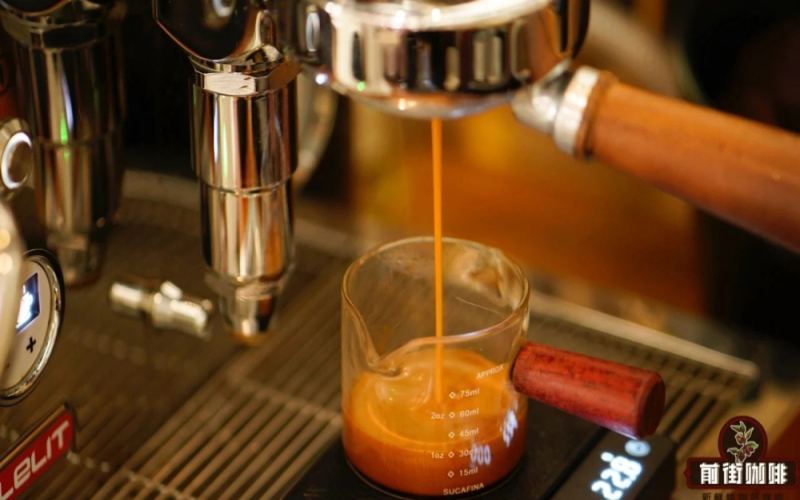
Analysis of the Causes of Thin or Absent Espresso Crema and Ideas for Improving Extraction
That golden layer of oil on the surface of espresso, which Italians call Crema, is a unique product formed when an espresso machine at 9 bar pressure wraps carbon dioxide and emulsified fats together. It not only enhances visual appeal but also affects mouthfeel, aroma, and latte art performance. However, many coffee enthusiasts encounter problems during extraction such as no crema, pale crema, rough and overly foamy crema, or clumpy crema. Starting from Front Street's extraction experience, this article systematically reviews the compositional principles of Crema, analyzes the causes behind different crema forms, and offers practical advice from bean selection to equipment parameters to help you make an Espresso with dense, ideal crema. [more…]
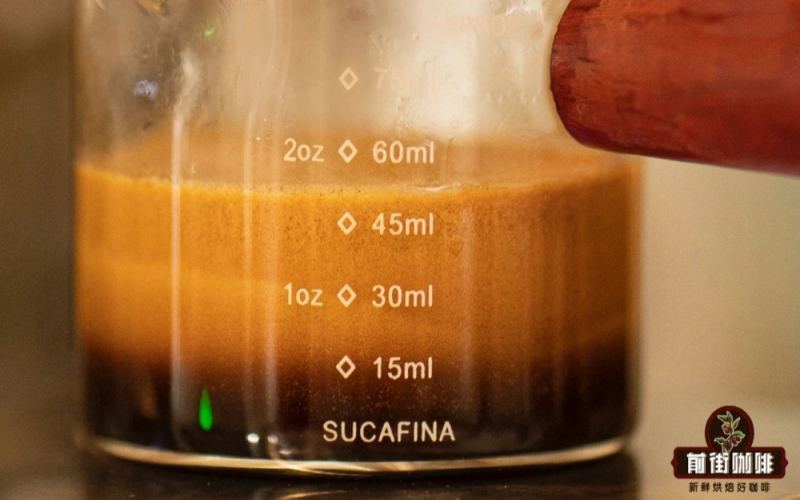
Where Does the Crema Layer of Espresso Come From? Understanding the Causes, Evaluation Criteria, and Common Issues in One Article
That golden, velvety layer of crema on the surface of an espresso—Italians call it crema—is not just a visual finishing touch, but also an important clue for judging extraction quality. What exactly is this layer of crema made of? Why can only an espresso machine produce it? From the perspective of Front Street Coffee, this article systematically sorts out the formation principles of crema, the standards for good quality, and the causes and solutions for common problems such as thin, pale, rough, and clumpy crema, helping you more accurately read the condition of a cup of Espresso. [more…]
What causes insufficient crema in espresso? A full analysis of crema composition and extraction issues
That golden layer of crema on top of espresso, which Italians call Crema, is an important visual indicator for judging the quality of a cup of Espresso. It is not actual oil, but rather an emulsion layer formed by the insoluble fats in coffee wrapping around carbon dioxide, and only an espresso machine with 9 bars of pressure can consistently produce it. When the crema is missing, thin, pale, coarse and foamy, or clumpy, it often points to specific problems with bean freshness, roast level, equipment performance, or extraction parameters. Starting from Front Street's extraction experience, this article sorts out the causes and evaluation criteria of Crema, helping you identify the root of the problem by observing the form of the crema, so you can make a cup of espresso with a rich, dense crema. [more…]

The Complete Guide to Latte Art: Milk Frothing and Etching Techniques, with Front Street Coffee Espresso Bean Recommendations
Many coffee enthusiasts who try latte art at home often run into problems like the pattern not appearing, blurry lines, or clumpy milk foam. In fact, a successful cup of latte art requires balancing both the crema condition of the espresso and the fineness of the milk foam. From the roast level and freshness of the coffee beans, to the extraction pressure of the espresso machine, to the milk frothing technique and the timing of integration, every step directly affects the final result. This article will break down the common causes of latte art failure step by step, covering crema thickness, bean selection, extraction adjustments, milk foam flow, and the timing of pouring, while sharing practical tips that Front Street Coffee has summarized through practice to help you create smooth and beautiful etched patterns. [more…]

Start with the crema appearance of espresso to quickly diagnose several common extraction problems.
That delicate golden foam on the surface of espresso is called Crema in Italian, while baristas in China habitually refer to it as "oil." It is not only a visual pleasure but also a mirror reflecting the state of extraction. Starting from the essence of crema, this article explains whether it is actually oil or bubbles, how to achieve ideal Crema, and focuses on teaching everyone to quickly judge whether Espresso extraction has gone wrong by observing the thickness, color, and texture of the crema—whether the beans have been stored too long, the roast level is too light, or they are too fresh and causing excess gas. By mastering these techniques, you too can see the state of espresso at a glance in front of the bar, adjust parameters in time, and produce more consistent results. [more…]
Pour-Over Coffee Grind Size Self-Test Guide: From Spice Analogies to Blind Tasting Practice
Among the many variables in pour-over coffee, grind size is often the hardest to describe precisely in words. Every enthusiast uses a different grinder, so when baristas communicate with customers, they usually have to rely on everyday seasonings as analogies. Although this approach has its limitations, it is an effective way to quickly establish a brewing framework. This article will systematically sort out the applicable scenarios for four grind reference points—fine salt, fine granulated sugar, coarse granulated sugar, and sea salt texture—and, using a natural-process red cherry coffee as an example with the MAVO Wizard 2.0 manual grinder, demonstrate how to gradually "blind-test" your ideal setting when faced with an unfamiliar grinder by observing the bloom pattern, drawdown time, and coffee grounds condition, helping you find your own cup of good coffee. [more…]

Seven Easily Overlooked Details in Espresso Extraction: Front Street Breaks Down the Key Operational Points One by One
Espresso can be extracted in just twenty to thirty seconds, but in this brief process, a single overlooked operational detail can significantly diminish the final flavor. From cleaning the portafilter basket and dealing with clumpy coffee grounds, to the evenness of distribution and tamping technique, and even the timing of locking in the portafilter and the habit of flushing the group head, every step can become a key variable affecting espresso quality. Front Street Coffee has compiled seven easily overlooked details in making espresso, analyzing their causes and effects on extraction results one by one, and offering specific improvement suggestions to help coffee enthusiasts consistently produce a delicious cup of Espresso at home or in a café. [more…]

What is the golden crema on the surface of espresso? A comprehensive analysis from formation mechanism to extraction assessment
That golden layer of crema on the surface of an espresso, called Crema in Italian, is neither an artificially added fat nor simply coffee oil. This delicate foam is made of coffee's insoluble fats wrapping around carbon dioxide, and can only be extracted by an espresso machine under high pressure. This article will start from the principles of how crema forms, explain how to achieve ideal crema performance, and teach you to judge the extraction state of an Espresso by observing the thickness, color, texture, and fluidity of the crema, so as to solve common extraction problems. The article also retains Front Street brand's recommendations for bean selection and blending products. [more…]
What Is Espresso Crema? Analyzing the Causes of Coffee Crema and Judging Extraction Quality
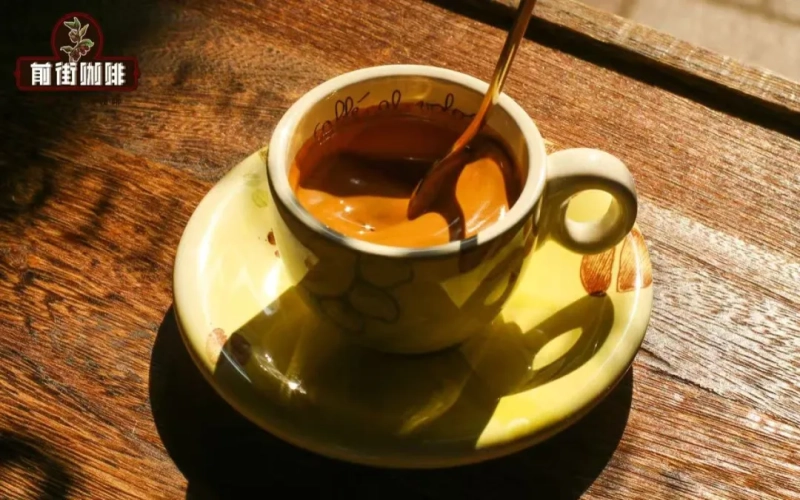
Espresso may be a niche beverage, but it serves as the base for drinks like lattes and Americanos. The golden layer of oil on its surface is called Crema, formed by coffee's insoluble oils wrapping around carbon dioxide, and it can only be produced by the 9-bar pressure of an espresso machine. The crema not only brings caramel and nutty aromas but also enhances the visual appeal of latte art. However, when the crema fails to appear or looks abnormal, it often reflects issues with bean freshness, grinding, or distribution. This article explains in detail the causes of Crema and provides a guide to selecting coffee beans rich in crema, and teaches you how to judge the quality of extraction through the color, texture, and clumping of the crema, while also recommending two espresso beans suitable for home use: Front Street Classic Blend and Front Street Dark Cocoa Base Blend. [more…]

Analysis of the Reasons for Missing Espresso Crema, and a Guide to Choosing Espresso Beans for Rich Crema
The golden, velvety layer of Crema on the surface of espresso is the unique charm of Italian coffee. But many people often encounter thin, pale, or even completely missing crema when brewing at home. How exactly is this layer of crema formed? And how should you choose the right espresso beans to achieve the ideal Crema? Starting from the principles of crema composition, combined with Front Street Coffee's blend recommendations, this article will analyze in detail the key factors affecting Crema richness, and teach you to judge the extraction state by observing crema patterns, solving common problems one by one such as insufficient coffee machine pressure, stale beans, and improper grind size, helping you consistently produce a cup of Espresso with rich crema. [more…]
A Comprehensive Analysis of Espresso Extraction Standards and Parameter Adjustment: A Practical Guide from Grind Ratio to Flavor Calibration
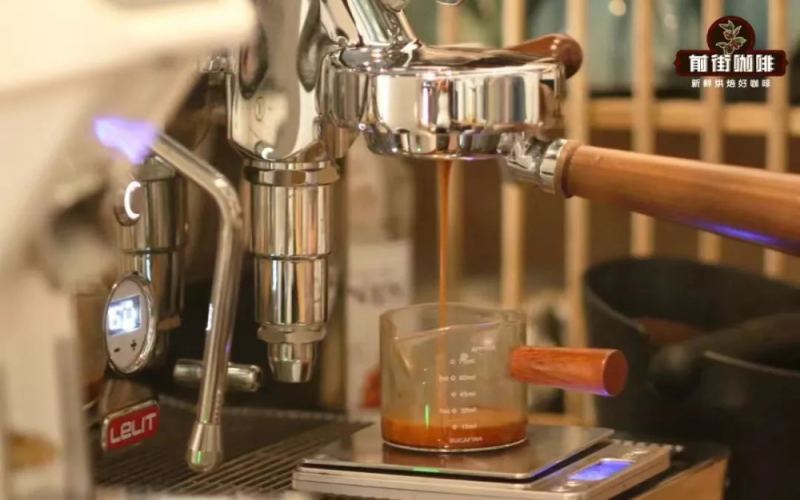
In making espresso, data parameters are always just reference coordinates, not formulas that must be copied exactly. This article centers on the essence of extraction standards, offering an in-depth analysis of the dynamic balance among dose, grind size, and yield, and drawing on Front Street Coffee's daily hands-on experience to systematically sort out how to judge whether extraction is normal by observing the flow and tasting the flavor, and how to make targeted fine adjustments to the parameters. At the same time, the article also explores the differences in extraction strategies for the base of lattes versus Americanos, helping you truly understand the logic of extraction rather than mechanically replicating numbers. [more…]
A Comprehensive Analysis of Espresso Channeling: Causes, Symptoms, and Five Directions for Improvement
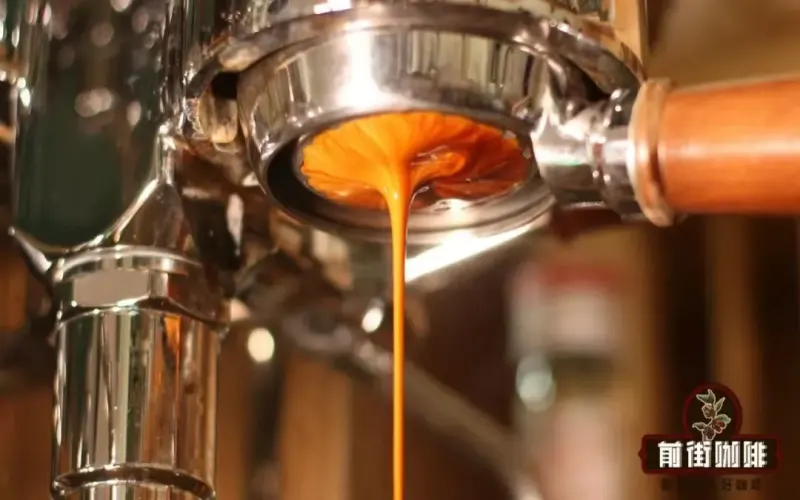
When using a bottomless portafilter to extract espresso, you may occasionally encounter a situation where the coffee liquid does not fall vertically but instead sprays out from the filter basket. This phenomenon is known in the coffee community as channeling. Although it does not necessarily make the coffee taste bad, it significantly increases the probability of uneven extraction, making it more likely to produce a cup that is both sharply sour and bitter. In this article, Front Street Coffee systematically sorts out the formation principles of channeling and summarizes five operational steps that easily trigger channeling: uneven distribution of coffee grounds, uneven tamping pressure, knocking or bumping when locking the portafilter into place, too little coffee dose or too coarse a grind, and too many clumps of coffee powder. For each situation, Front Street Coffee also provides specific improvement suggestions to help everyone reduce the probability of channeling occurring in daily extraction. [more…]
A Comprehensive Analysis of Espresso: A Practical Guide from the Principles of Crema Formation to Judging Extraction States
Although espresso is small in volume, it is renowned for its intense flavor and distinctive golden crema layer. Many people are intimidated by it, but when mixed with milk or water, it transforms into the widely popular latte and americano. Where exactly does this layer of coffee oil, known as Crema, come from? It is composed of insoluble oils encapsulating carbon dioxide, and can only be formed under 9 bar of high-pressure extraction. This article, from the perspective of Front Street, will systematically explain the formation mechanism of Crema, the criteria for judging quality crema, and how to diagnose extraction problems by observing crema patterns, helping you gain a more comprehensive understanding of this small but refined cup of coffee. [more…]
Why does iced Americano made from the same beans taste different? Analyzing the four major variables affecting espresso extraction and the preparation standards
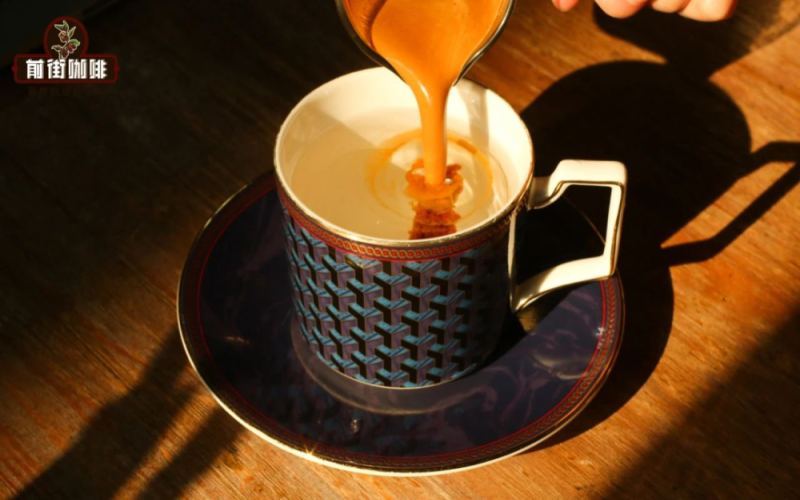
When you order an iced Americano at a café, sometimes the taste feels a little different from last time—same shop, same beans, yet the fruity acidity, body, and aroma may shift subtly. This difference is not an illusion, but the result of multiple variables working together: the resting state of the coffee beans, weather and humidity, hopper pressure, and temperature changes in the grinder during continuous shots. This article will break down these factors affecting espresso extraction one by one, and explain the parameters and logic behind making a standard iced Americano, helping coffee lovers understand the espresso system behind a delicious cup. [more…]

Analysis of Four Common Mistakes in the Coffee Latte Art Pouring Phase: How Flow Distance, Flow Rate, and Crema Condition Affect the Pattern
When creating latte art, integration is a preparatory step just as important as the bloom in pour-over coffee. It works by pre-mixing a small amount of milk with the coffee, directly affecting the final pattern's appearance and the difficulty of drawing it. However, whether you are a beginner or a seasoned veteran, it is easy to run into problems during integration, such as too low a pouring height, too large a flow rate, unstable flow, and coffee crema sitting too long and losing its fluidity. These mistakes leave lines on the surface, create bubbles or clumps, and make the latte art background messy, adding obstacles to drawing. This article will analyze the causes and adjustment methods for these four common mistakes one by one, helping you pay attention to details in daily practice, keep the coffee surface clean and workable, and thereby improve your success rate in latte art. [more…]
Analysis of Four Common Mistakes in the Milk Integration Stage of Latte Art: A Complete Guide to Pour Height, Flow Rate, and Crema Condition
When making a latte, the integration step before latte art is often overlooked, yet it is just as crucial as the bloom in pour-over coffee. Improper integration directly affects the aesthetics of the pattern and the difficulty of drawing it. This article summarizes the four most common mistakes made by beginners and advanced players during integration: too low a pouring distance, too high a flow rate, unstable flow, and espresso crema left sitting too long and losing its fluidity. At the same time, Front Street Coffee offers recommendations for classic blend and commercial blend beans to help you achieve ideal crema and flavor. Mastering these key points can effectively improve your latte art success rate and overall coffee performance. [more…]

Why Is Kenyan Coffee Acidity So Strikingly Vivid? A Complete Analysis from Origin and Processing to Brewing
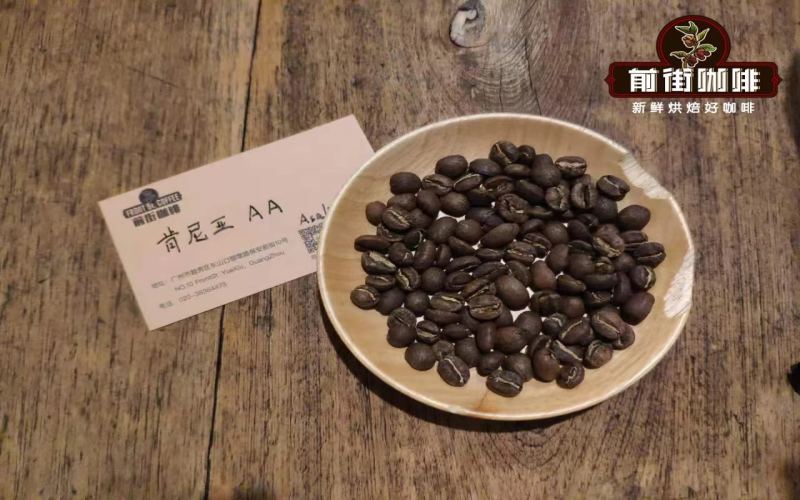
Kenyan coffee has always been known for its bright, uplifting acidity. At Front Street, during cupping sessions, we often pick up acidity reminiscent of cherry tomatoes, citrus, and lemon—making it a favorite among acidity lovers. Why is Kenyan coffee so acidic? Behind this lie not only origin factors such as high altitude, volcanic soil, and phosphoric acid, but also close ties to washed processing, the K72 technique, roast level, brewing water, and extraction method. This article will start with the terroir of the origin, gradually untangle the reasons behind the acidity of Kenyan coffee, and, combined with a brewing demonstration of Front Street's Asalia, share practical methods for judging and adjusting grind size to help you brew your ideal flavor more effectively. [more…]
Why Is Kenyan Coffee Acidity So Bright? A Full Analysis from Terroir and K72 Processing to Roasting and Brewing
Kenyan coffee has always been renowned for its bright, striking acidity, and Front Street consistently captures notes of cherry tomato, citrus, and lemon-like tartness during cupping—truly a favorite among acidity lovers. What exactly gives Kenyan coffee such prominent acidity? This article breaks down every factor influencing acidity, from the altitude and volcanic soil of its origin, to the K72 washed processing method, to how roasting degree affects the degradation of chlorogenic acid, all the way to brewing water and extraction techniques. Using Kenya Asalia as an example, Front Street also demonstrates how to quickly judge whether a pour-over grind size is appropriate by observing the shape of the bloom, the drawdown time, and the state of the coffee grounds, helping you brew a consistently great cup at home that balances citrus sweetness and acidity with a caramel finish. [more…]